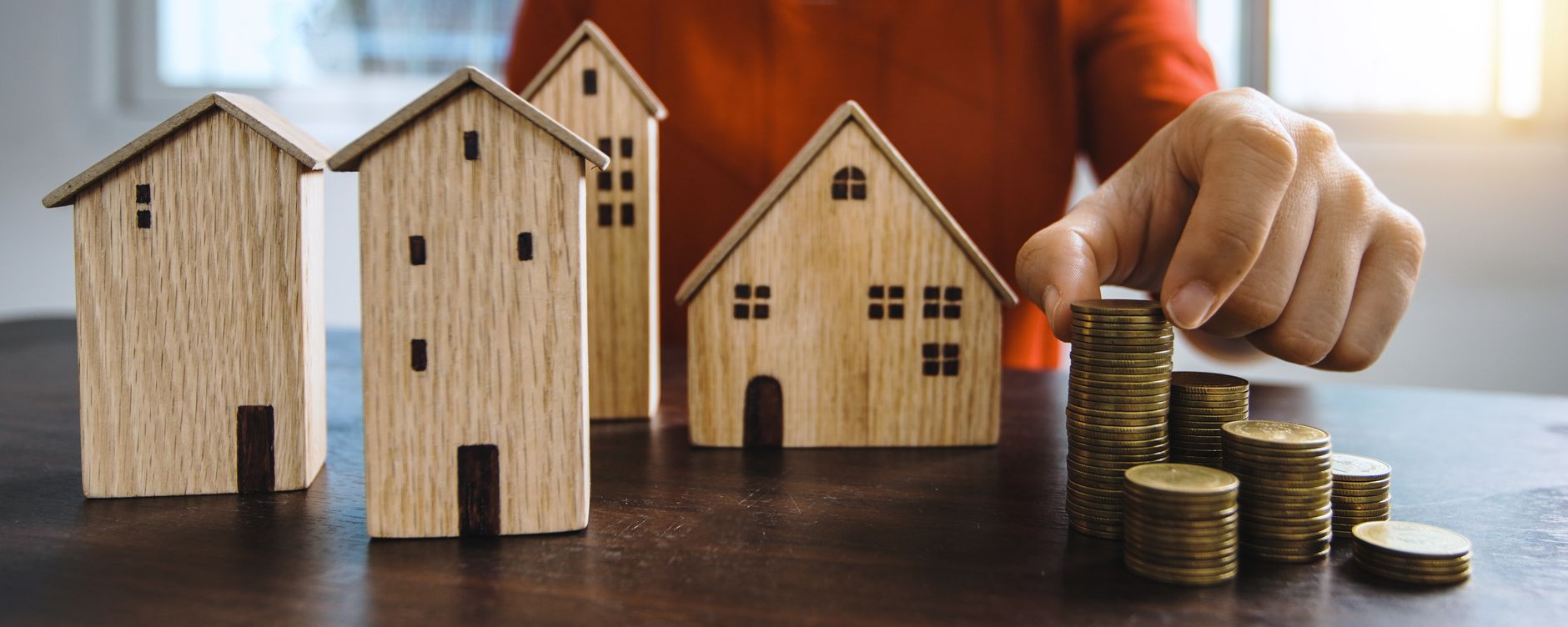
UK house prices fall for the first time in almost three years, reflecting the impact of rising inflation and geopolitical tensions.
Understanding the UK Housing Market
The UK housing market has recently experienced significant shifts, with house prices falling for the first time in nearly three years. This decline is largely attributed to rising inflation and ongoing geopolitical tensions that have created uncertainty in the economy.
As inflation continues to impact consumer spending and overall economic stability, potential homebuyers are becoming increasingly cautious. Many are delaying their purchasing decisions, leading to a slowdown in demand. This has resulted in a notable change in the once-competitive housing market, where prices have consistently risen.
Factors contributing to the fall in house prices include:
- Increased cost of living: Households are facing higher bills, which limits their ability to save for a deposit.
- Interest rates: Rising interest rates have made mortgages more expensive, discouraging buyers from entering the market.
- Geopolitical tensions: Ongoing global conflicts have led to economic uncertainty, further impacting buyer confidence.
As the situation evolves, the long-term effects on the UK housing market remain to be seen, but the current trend of falling house prices indicates a significant shift in the landscape.
Factors Behind the Price Drop
The recent decline in the UK housing market can be attributed to several interrelated factors that have emerged over the past few months. The most significant contributor to the downturn is rising inflation, which has led to increased costs for both buyers and sellers. As inflation rates soar, households are facing higher living expenses, leaving less disposable income for property investments.
Another critical element is the geopolitical strain affecting economic stability. Ongoing conflicts and international uncertainty have created a cautious atmosphere among potential buyers, leading to reduced demand in the housing market. This shift has become evident, as the number of transactions has decreased significantly.
Additionally, the Bank of England’s efforts to combat inflation through interest rate hikes have made borrowing more expensive. Higher mortgage rates are discouraging first-time buyers and pushing existing homeowners to reconsider their plans, further contributing to the overall decline in property values.
As a result of these dynamics, UK house prices fall for the first time in almost three years, reflecting a shift in consumer confidence and market conditions that could have lasting implications for the housing landscape.
Effects of Inflation on Real Estate
The ongoing economic climate in the UK has raised concerns regarding the impact of inflation on various sectors, with the real estate market being particularly affected. As UK house prices fall, many potential buyers and investors are left questioning the stability of their financial commitments.
Inflation can lead to higher interest rates, making mortgages more expensive and subsequently reducing demand for homes. This has created a ripple effect throughout the housing market, resulting in:
- Decreased affordability: With rising costs of living, many individuals are finding it increasingly difficult to secure a mortgage or make home purchases.
- Market uncertainty: Potential buyers may hesitate to invest in property, fearing further declines in house prices.
- Investor hesitation: Investors may choose to hold off on property acquisitions, fearing that current economic conditions will lead to continued declines.
Moreover, the geopolitical strain combined with inflationary pressures has intensified these issues, creating an unpredictable environment for both buyers and sellers. As the market adjusts to these economic realities, the long-term implications for UK house prices remain uncertain.
Future Predictions for UK House Prices
As the UK grapples with rising inflation and economic uncertainty, predictions regarding future house prices remain mixed. Analysts suggest that the recent trend of falling prices may continue in the short term, influenced by several economic factors.
Many experts anticipate a prolonged period of adjustment as the housing market responds to increased living costs and interest rates. Key predictions include:
- Continued Price Declines: Some analysts forecast that UK house prices will fall further over the next year, with estimates ranging from a slight dip to more significant reductions.
- Stabilization: Others believe that once inflation rates begin to stabilize, the housing market could see a gradual recovery, potentially leading to a more balanced environment for buyers and sellers.
- Regional Variations: There may be significant disparities across regions, with urban areas facing steeper declines compared to rural locations, where demand may remain more robust.
In conclusion, while the immediate outlook for UK house prices appears pessimistic, the long-term effects will largely depend on how the economy navigates the challenges posed by inflation and other geopolitical factors.
The recent trends indicate that as UK house prices fall, many potential buyers are being priced out of the market. This decline in UK house prices fall is largely attributed to the ongoing effects of inflation on the economy.
Photo by Jakub Zerdzicki on Pexels
References
Related reading
Housing Project Hyderabad: Best Proven Development Opportunity · Shared Wellbeing Retreat: Discover Banyan Tree Bintan’s New Offering · How to Budget Your Annapurna Circuit Trek Efficiently