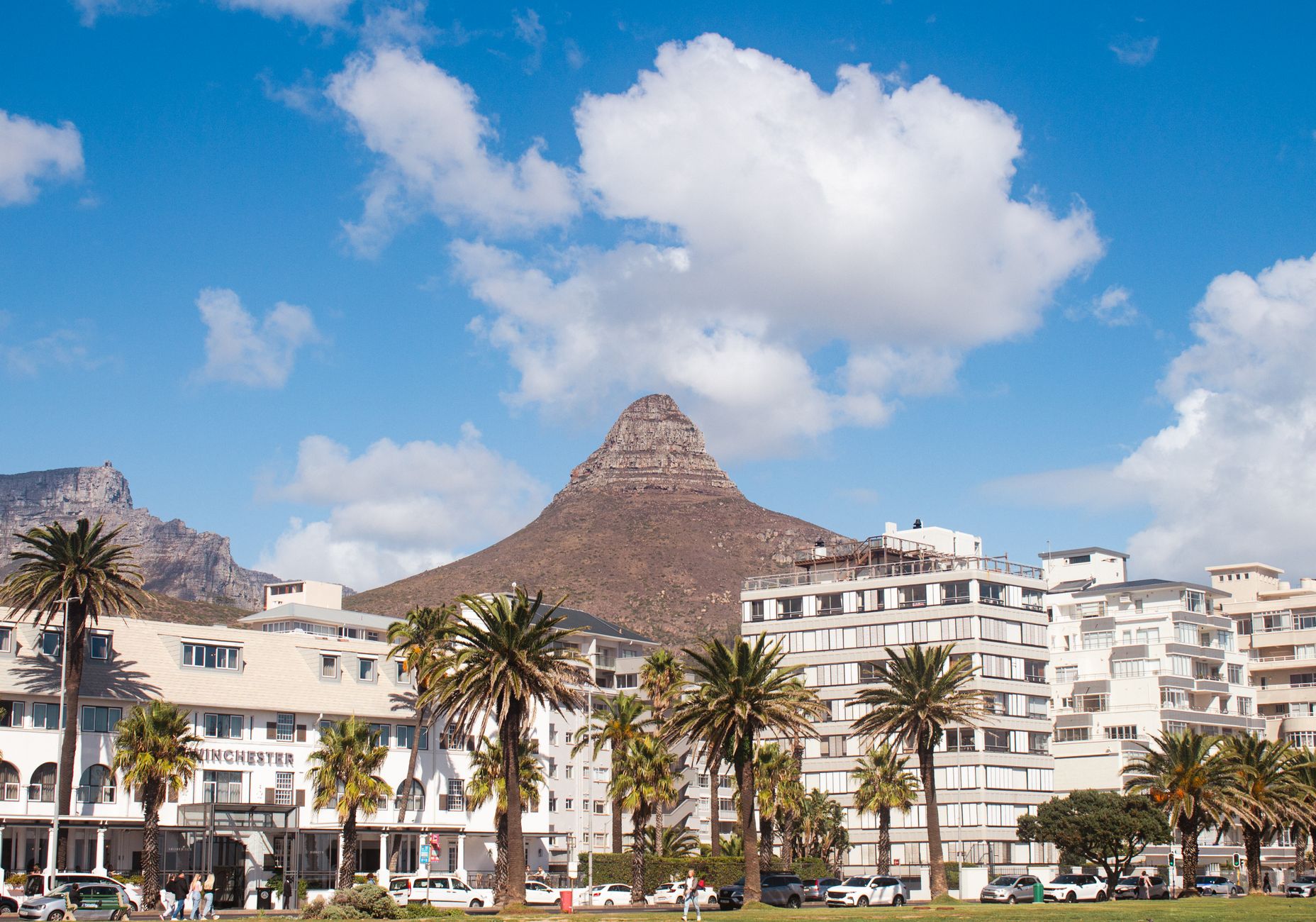
Cape Town property prices have increased by 11.5%, indicating a robust demand in the real estate market. This growth highlights the ongoing appeal of the city for buyers and investors alike.
Current Trends in Cape Town Real Estate
Recent analysis indicates a significant surge in Cape Town property prices, with an impressive rise of 11.5% noted over the past year. This trend reflects a growing demand for residential properties in the area, driven by various factors.
The real estate market in Cape Town is currently characterized by:
- Increased buyer interest from both local and international investors.
- Limited supply of properties, which has intensified competition among buyers.
- Favorable interest rates that encourage mortgage financing.
- Urban development projects enhancing the appeal of certain neighborhoods.
As a result, potential homeowners and investors are urged to act swiftly to secure properties before prices climb even higher.
Factors Driving Property Prices Up
Several factors are contributing to the recent rise in Cape Town property prices, which have seen an impressive increase of 11.5%. These factors include:
- Increased Demand: A surge in local and international buyers is driving up competition in the housing market.
- Limited Supply: The availability of properties in desirable areas is decreasing, further pushing prices higher.
- Economic Recovery: As the economy rebounds, more individuals are investing in real estate as a stable asset.
- Lifestyle Appeal: Cape Town’s scenic views, climate, and vibrant culture continue to attract people looking for both residences and vacation homes.
These elements combined are creating a robust market environment, making Cape Town property prices increasingly attractive to investors and homebuyers alike.
Comparison with Other South African Cities
The rise in Cape Town property prices is notable when compared to other major South African cities. Recent data indicates that while cities like Johannesburg and Pretoria have seen moderate growth, Cape Town continues to outpace them significantly.
In a comparative analysis:
- Johannesburg: Property prices increased by only 5.2% over the past year.
- Pretoria: The capital city experienced a 6.8% rise in property values.
- Durban: Property prices have remained relatively stable, with a modest increase of 4.1%.
This substantial difference highlights the unique appeal of Cape Town, making it a highly sought-after location for both local and international buyers. The proven rise of 11.5% in Cape Town property prices underscores its status as a key player in the South African real estate market.
Impact of Economic Conditions
The rise in Cape Town property prices by 11.5% can be attributed to various economic conditions influencing the real estate market. A strong demand for housing, coupled with limited supply, has created a competitive environment for buyers. This scenario is exacerbated by low interest rates, which have made financing more accessible for many potential homeowners.
Furthermore, the city’s appeal as a tourist destination and lifestyle hub has attracted both local and international investors, driving up demand in key areas. Economic stability in the region has also played a crucial role, as consumers gain confidence in their purchasing power.
However, challenges remain, including rising inflation and economic uncertainty, which could impact future trends. It is essential for buyers and investors to remain informed about these economic conditions as they navigate the evolving landscape of Cape Town property prices.
Future Predictions for the Market
As Cape Town property prices continue to show an upward trajectory, experts are optimistic about the future of the market. A predicted steady demand for residential properties is expected, driven by both local and international buyers seeking investment opportunities.
Analysts highlight several factors that may influence the market in the coming years:
- Increased Infrastructure Development: Ongoing projects are likely to enhance accessibility and attractiveness of various neighborhoods.
- Interest Rates: As interest rates fluctuate, potential buyers may adjust their purchasing power, impacting property demand.
- Urbanization Trends: A growing population in urban areas is anticipated to sustain a competitive market for Cape Town property prices.
Overall, while challenges remain, the long-term outlook for Cape Town’s real estate sector appears promising, indicating potential for continued growth.
Tips for Buyers in Cape Town
As Cape Town property prices continue to rise, potential buyers should consider several key factors before making a purchase.
Firstly, it’s essential to conduct thorough research on different neighborhoods to find areas that align with your budget and lifestyle. Consider the following tips:
- Understand Your Finances: Assess your financial situation and get pre-approved for a mortgage to better gauge your purchasing power.
- Engage a Local Agent: Partnering with a knowledgeable real estate agent can provide valuable insights into the Cape Town property market.
- Visit Multiple Properties: Don’t settle for the first property; visiting a range of options can help you make an informed decision.
- Factor in Future Developments: Research upcoming infrastructure projects as they can significantly influence property values.
These strategies can help buyers navigate the evolving landscape of Cape Town property prices effectively.
Photo by Mimi on Pexels
References
You might also like
Property Rights in Unauthorised Colonies: Clear Path Ahead · Smart Home Lineup: The Best Proven Devices from Apple and LG · Fare Hikes News: The Smart Way to Navigate Rising Costs