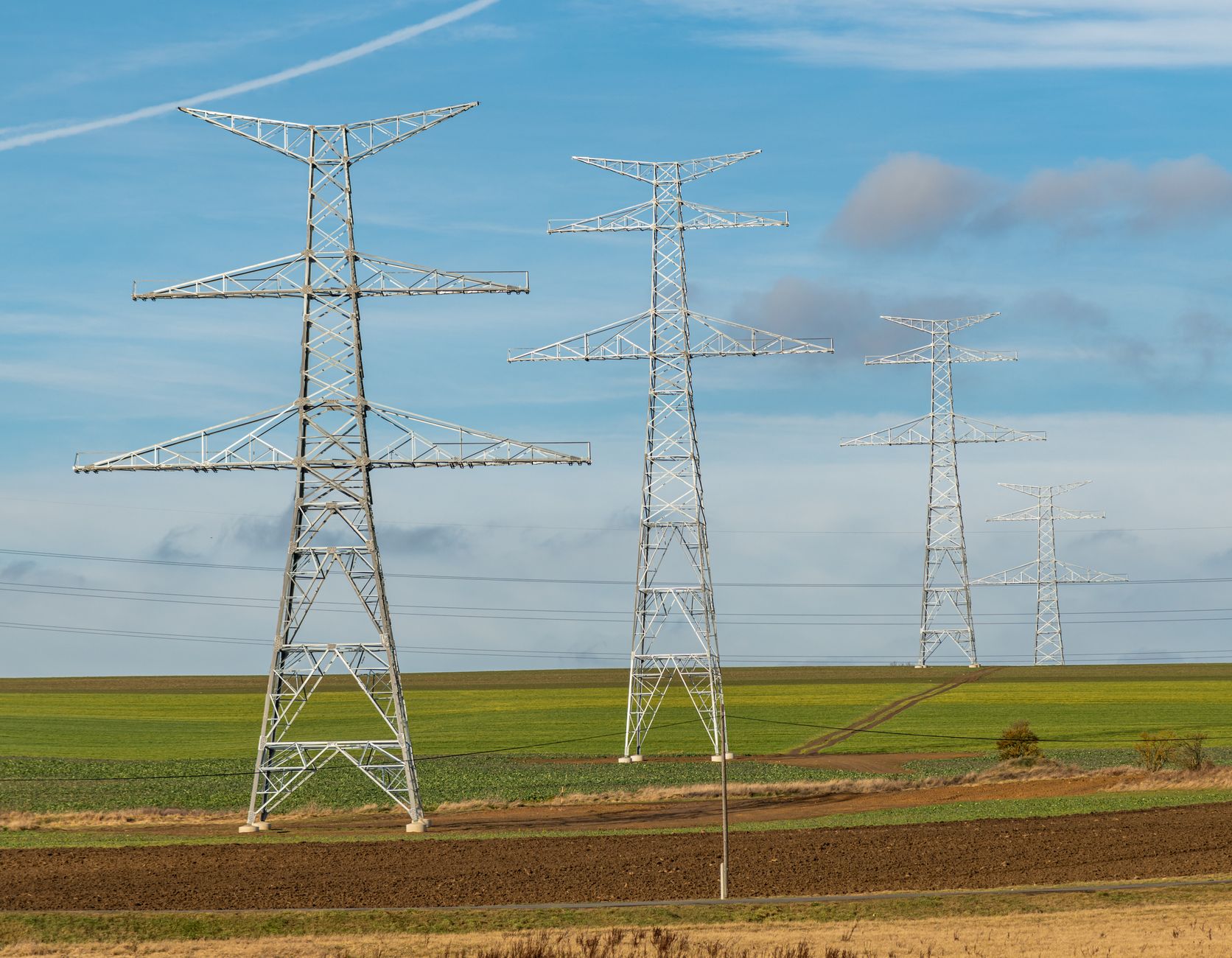
Renewable energy transmission is a key focus for POWERGRID as it strengthens India’s infrastructure. Major projects in Rajasthan and Karnataka aim to enhance the efficiency of renewable energy distribution.
Overview of POWERGRID’s Initiatives
POWERGRID is making significant strides in enhancing India’s renewable energy transmission infrastructure. The company has initiated various projects in Rajasthan and Karnataka aimed at bolstering the network’s capacity to handle renewable energy sources. These initiatives are crucial for facilitating the seamless integration of solar and wind energy into the national grid.
Key aspects of POWERGRID’s initiatives include:
- Development of new transmission lines: Expanding the existing network to support increased energy flow.
- Upgrading substations: Enhancing technology and capacity to manage renewable energy efficiently.
- Implementing smart grid technology: Utilizing advanced monitoring systems to optimize energy distribution.
These efforts not only aim to strengthen the transmission network but also align with India’s commitment to expanding its renewable energy capacity, ensuring a sustainable and reliable energy future.
Impact on Renewable Energy in India
The impact of renewable energy transmission in India is becoming increasingly significant as the nation aims to enhance its clean energy capabilities. With major projects underway in states like Rajasthan and Karnataka, POWERGRID is playing a pivotal role in this transformation.
These initiatives are designed to:
- Facilitate the integration of renewable energy sources into the national grid.
- Reduce transmission losses and improve efficiency.
- Support the government’s ambitious renewable energy targets, including a goal of achieving 500 GW of non-fossil fuel capacity by 2030.
As renewable energy transmission systems are developed and modernized, India is set to benefit from a more reliable and resilient energy grid. This, in turn, will not only contribute to energy security but also foster sustainable economic growth throughout the country.
Ultimately, the advancements in transmission infrastructure are crucial for harnessing the full potential of renewable energy in India.
Details of Rajasthan Projects
In Rajasthan, POWERGRID is implementing several key projects aimed at enhancing renewable energy transmission capabilities. These initiatives are designed to facilitate the efficient transfer of energy generated from solar and wind sources across the state.
Some notable projects include:
- 220 kV D/C Bikaner-Phalodi Transmission Line: This line will connect renewable energy projects in the Bikaner region to the national grid.
- 765 kV D/C Rajasthan Transmission System: A significant upgrade to support the growing demand for renewable energy.
- Renewable Energy Park: Development of a large-scale renewable energy park to harness solar potential.
These projects not only strengthen the transmission network but also contribute to India’s goal of achieving a sustainable energy future. The focus on renewable energy transmission in Rajasthan exemplifies the commitment to tapping into clean energy resources efficiently.
Details of Karnataka Projects
The state of Karnataka is witnessing significant advancements in renewable energy transmission as POWERGRID embarks on key projects aimed at enhancing the energy network. These initiatives are designed to improve the capacity and efficiency of energy distribution across the region.
Some notable projects include:
- New Transmission Lines: Establishment of high-capacity transmission lines to facilitate the transfer of renewable energy from generation sites to consumption hubs.
- Substation Upgrades: Modernization of existing substations to accommodate increased renewable energy input and ensure reliable service.
- Smart Grid Technology: Implementation of advanced monitoring systems that enable real-time data analysis and enhance grid management.
These efforts in Karnataka are part of a broader strategy to strengthen the renewable energy transmission network across India, ensuring that the growth in renewable sources is matched by robust infrastructure.
Future of Energy Transmission
The future of energy transmission is poised for significant transformation as advancements in technology and infrastructure support the growing demand for renewable energy. With an increasing reliance on solar and wind sources, the emphasis on efficient renewable energy transmission is becoming more critical than ever.
Innovative solutions are being developed to enhance grid connectivity, ensuring that energy generated in remote areas can be effectively transmitted to urban centers. These solutions include:
- Smart grids that enable real-time monitoring and management of energy flows.
- High-voltage direct current (HVDC) technology, which minimizes energy losses during transmission.
- Enhanced energy storage systems that stabilize supply and demand fluctuations.
As POWERGRID continues to implement these advancements, the integration of a robust renewable energy transmission network will play a critical role in achieving India’s sustainability goals and reducing its carbon footprint.
Photo by Petr Ganaj on Pexels
Where this came from
Chennai Metro Poonamalle Vadapalani: Best Route and Timings · Chennai Metro projects: Are they the best investment for India? · Melbourne house prices: The Worst Impact on Buyers Today