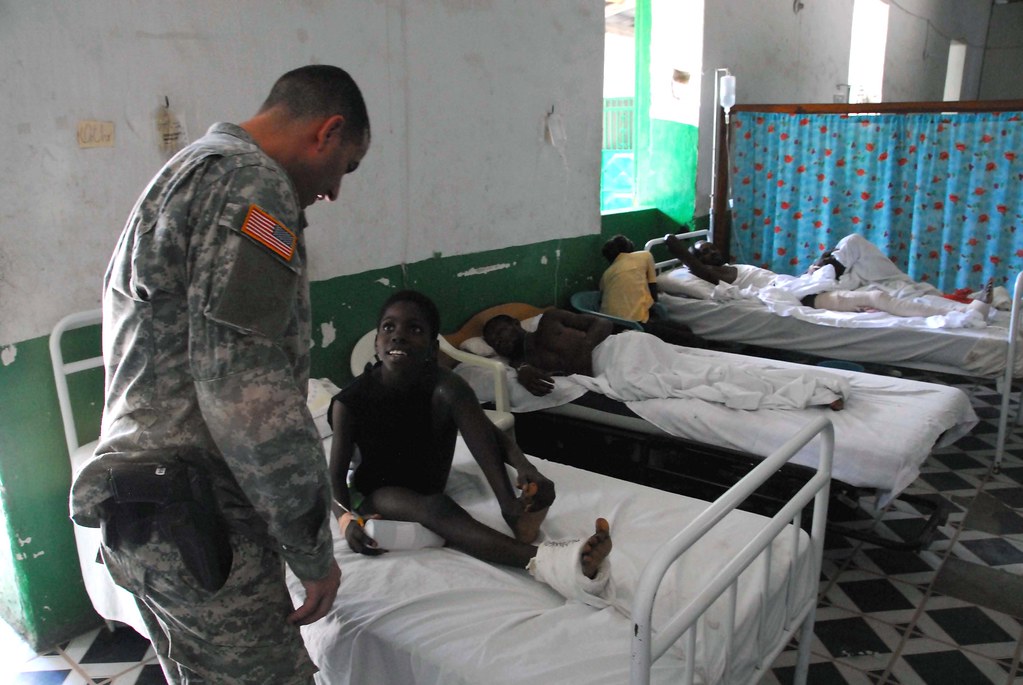
The military operation Haiti has been launched to rescue Salvadorans held by gangs. This initiative reflects President Bukele’s commitment to ensuring the safety of citizens abroad.
Overview of the Military Operation
The recent military operation in Haiti has garnered significant attention, especially following the announcement from El Salvador’s President Nayib Bukele. As gangs have increasingly threatened the safety of citizens, this operation aims to rescue Salvadorans currently held captive.
The military operation involves a coordinated effort to dismantle gang strongholds and free those taken against their will. The following points summarize the strategic approach:
- Intelligence Gathering: Prior to the operation, extensive reconnaissance was conducted to identify key locations and gang leaders.
- Joint Forces: The mission is supported by collaboration between local law enforcement and international military units to ensure comprehensive coverage and rapid response.
- Rescue Protocols: Specialized teams are trained in hostage rescue operations, emphasizing the safety of civilians during engagements.
- Community Engagement: Efforts are also being made to regain the trust of local communities who have been deeply affected by gang violence.
This military operation in Haiti is seen as a necessary step to restore order and provide safety for vulnerable citizens caught in the crossfire of gang conflict.
Reasons Behind the Initiative
The recent military operation in Haiti has garnered attention for its strategic intent to rescue citizens from the clutches of gang violence. Various factors have prompted this decisive initiative, including:
- Escalating Violence: Haiti has faced a significant increase in gang-related activities, which have threatened the safety and security of its citizens.
- Humanitarian Crisis: The ongoing turmoil has led to a humanitarian crisis, with many individuals trapped and in desperate need of assistance.
- International Responsibility: Nations are recognizing their duty to intervene and support stability in Haiti, aligning with international efforts to restore peace.
- Rescue Operations: Previous successful interventions have proven effective in similar situations, providing a blueprint for the current military operation Haiti.
- Collaborative Efforts: The initiative involves collaboration between multiple countries and organizations, emphasizing a united front against gang violence.
These reasons highlight the urgent need for a comprehensive response to the deteriorating situation, ensuring the safety of the affected populace and restoring order in the region.
Impact on Salvadoran Communities
The recent military operation in Haiti has far-reaching implications for Salvadoran communities, particularly those with family ties to the victims. As many Salvadorans have been affected by the escalating violence in Haiti, this initiative is seen as a crucial step in ensuring their safety and well-being.
The Salvadoran government, led by President Bukele, has emphasized the importance of this operation, stating that it aims to not only rescue citizens but also restore hope among families. In light of the ongoing crisis, communities have expressed a mix of anxiety and relief.
- Increased Awareness: The military operation Haiti has brought significant attention to the plight of Salvadorans abroad.
- Community Support: Many local organizations are mobilizing to provide assistance to families affected by the violence.
- Potential for Change: The operation may pave the way for better security measures in vulnerable regions.
As the situation develops, the focus remains on the safe return of Salvadoran citizens, which is critical for the unity and resilience of the affected communities.
Responses from Local Authorities
Local authorities have expressed a mix of support and concern regarding the recent military operation in Haiti aimed at rescuing Salvadoran citizens held by gangs. In a press conference, the Mayor of San Salvador emphasized the need for decisive action, stating that “the safety of our citizens is paramount.” He praised the military’s commitment to protecting lives and restoring order in troubled regions.
However, some local leaders voiced apprehension about the potential repercussions of the military operation. Community activist Maria Lopez remarked, “While we understand the urgency, we must ensure that operations do not lead to further violence or instability.” She urged for strategies that prioritize diplomatic solutions alongside military efforts.
In response, the government has assured citizens that the military operation in Haiti will be conducted with strict protocols to minimize civilian casualties. Defense Minister Carlos Martinez highlighted the importance of collaboration with local law enforcement to achieve successful outcomes without compromising public safety. As the operation unfolds, local authorities continue to monitor the situation closely, ready to adapt strategies as necessary to protect their communities.
Safety Measures in Place
As the military operation Haiti unfolds, authorities are prioritizing the safety of both personnel and civilians involved. Several measures have been implemented to ensure a secure environment during this critical mission.
- Robust Training: All participating military personnel have undergone extensive training to handle potential threats and emergency situations, ensuring they are well-prepared for any challenges they may face.
- Clear Communication: A comprehensive communication strategy has been established, allowing for real-time updates between teams on the ground and command centers. This will facilitate quick responses to any emerging issues.
- Community Engagement: Local communities are being informed about the military operation Haiti, fostering trust and cooperation. Awareness campaigns aim to educate citizens on safety protocols and the objectives of the operation.
- Medical Support: A dedicated medical team is accompanying the operation, equipped to handle injuries or emergencies that may arise during the course of the mission.
These safety measures reflect a commitment to protecting lives while effectively addressing the challenges posed by gang violence in the region.
Future Implications for Haiti
The recent military operation Haiti has sparked significant discussion regarding its long-term implications for the nation and its people. As foreign military involvement increases, Haiti may experience several consequences that could reshape its future.
One potential outcome is the strengthening of local governance. With international support, the Haitian government may be able to regain control over areas currently dominated by gangs, fostering a sense of security that encourages civic engagement and rebuilding efforts.
Additionally, the operation could pave the way for economic revitalization. A more stable environment might attract foreign investment, leading to job creation and improved infrastructure. Haitian businesses could benefit from increased support and opportunities as order is restored.
However, there are also concerns about dependency on foreign intervention. Sustaining a military operation Haiti might lead to a reliance on external forces, which could hinder local empowerment and self-sufficiency in the long run.
In conclusion, while the operation holds promise for immediate relief, the path forward will require careful consideration of Haiti’s sovereignty and the development of sustainable solutions to ensure lasting peace and stability.
Conclusion and Next Steps
As the military operation Haiti unfolds, it has become evident that the commitment to rescue citizens is paramount. The strategic approach taken by the authorities not only aims to ensure the safety of those affected but also to establish a long-term solution to the underlying issues contributing to the crisis.
Next steps involve a comprehensive assessment of the operation’s effectiveness and the situation on the ground. Key stakeholders will engage in discussions to evaluate the progress and determine additional measures required for the ongoing support of affected communities.
- Continuous Monitoring: Authorities will implement a system for real-time updates to adapt strategies as necessary.
- Collaboration with Local Leaders: Engaging with community representatives to ensure the needs and voices of residents are considered.
- Post-Operation Support: Planning for rehabilitation and assistance programs for those returning from the operation.
Ultimately, the success of the military operation Haiti will hinge on not only immediate rescue efforts but also the establishment of a sustainable framework that fosters security and stability in the region.
The recent military operation Haiti has showcased effective tactics for ensuring the safety of civilians amidst turmoil. As the military operation Haiti progresses, the focus remains on creating a secure environment for all citizens.
By DVIDSHUB via Openverse