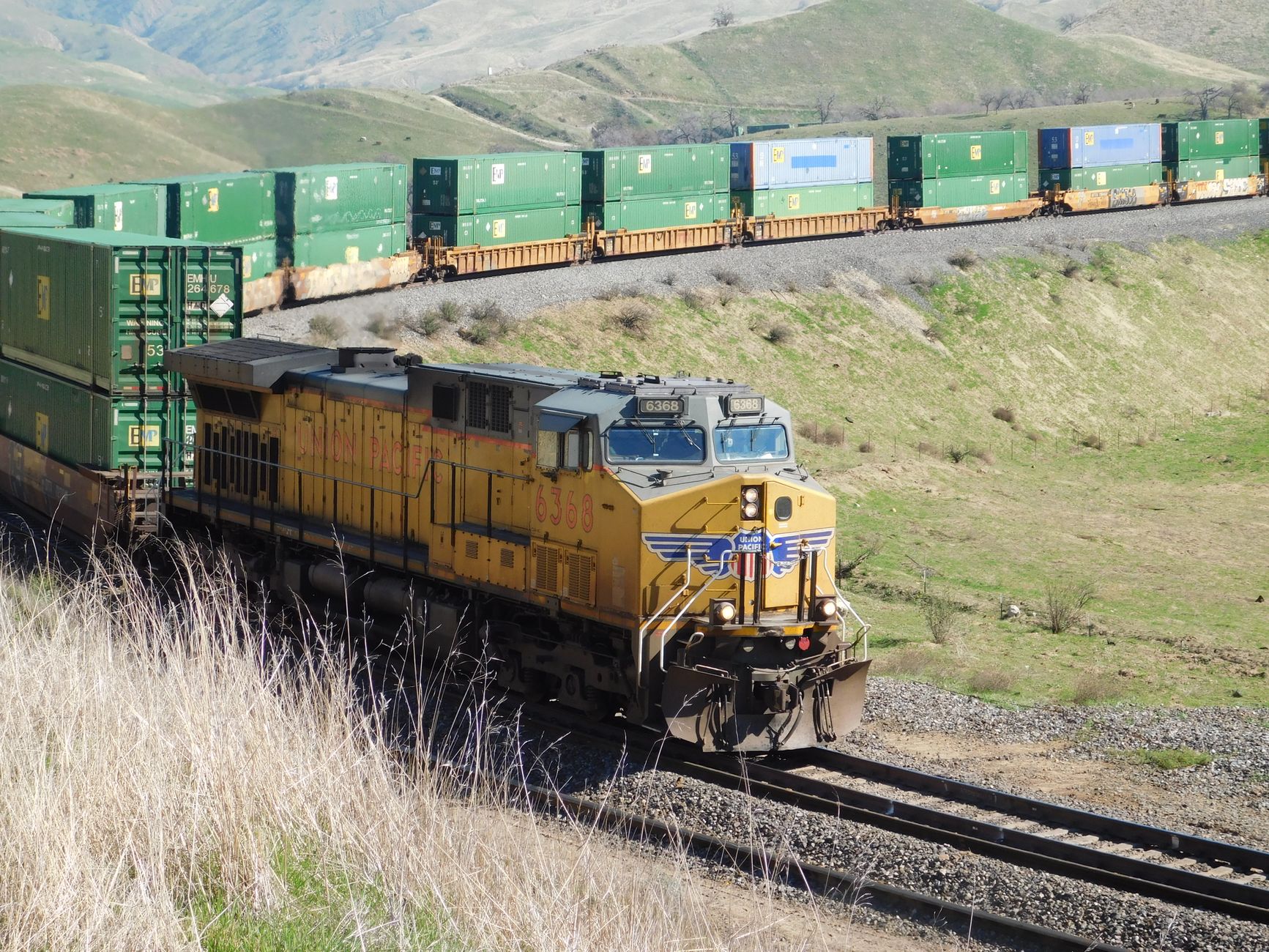
The California high-speed rail project is currently facing numerous challenges, including escalating costs and construction delays that raise questions about its viability.
Current Status of the California High-Speed Rail
The California high-speed rail project has faced significant challenges since its inception, leading to extensive delays and rising costs. Originally projected to connect San Francisco and Los Angeles in approximately two hours, the timeline has shifted dramatically, with completion dates now pushed back several years.
As of now, the construction has progressed, but not without setbacks. The project has been marred by budget overruns and legal disputes, contributing to uncertainty about its future. Key updates include:
- Budget Increases: Initial estimates have ballooned from $33 billion to nearly $100 billion, raising concerns among taxpayers and stakeholders.
- Delays: What was once expected to be operational by 2020 is now projected for 2033, reflecting the complexities of the construction process.
- Construction Questions: Project managers face scrutiny over delays in environmental approvals and land acquisitions, complicating the timeline.
Despite these challenges, state officials remain optimistic about the long-term benefits of the California high-speed rail. They argue that the project will ultimately provide a sustainable and efficient transportation alternative for millions of residents and visitors. As the project continues, transparency and accountability will be paramount in addressing the ongoing concerns surrounding costs and delays.
Major Challenges Facing the Project
The California high-speed rail project has encountered a series of significant challenges that threaten its timeline and budget. With soaring costs and delays becoming more frequent, stakeholders are increasingly concerned about the future of this ambitious initiative.
One of the primary issues is the escalating costs. Originally estimated at $33 billion, the project’s budget has ballooned, with recent estimates exceeding $100 billion. This sharp increase has raised questions among lawmakers and taxpayers regarding the project’s financial viability.
Additionally, construction delays have plagued the project since its inception. Originally slated for completion in the early 2020s, the timeline has now been pushed back several years, with many segments facing unexpected hurdles. These delays are often attributed to:
- Environmental regulations: Navigating California’s strict environmental laws has slowed progress.
- Land acquisition issues: Securing the necessary land from private owners and local governments has proven more complicated than anticipated.
- Political opposition: Shifting political landscapes have added uncertainty, with some officials calling for reassessments of the project.
As these challenges persist, the future of the California high-speed rail project remains uncertain, prompting discussions on whether it can achieve its initial goals.
Public Reaction to Cost and Delay Issues
Public reaction to the escalating costs and delays of the California high-speed rail project has been overwhelmingly critical. Many residents express frustration over the perceived mismanagement and lack of transparency surrounding the project. The initial promise of a state-of-the-art transportation system has been overshadowed by concerns regarding budget overruns and extended timelines.
Among the most common criticisms are:
- Increased Costs: The project’s estimated cost has ballooned, leading taxpayers to question how funds are being allocated and whether the project is truly viable.
- Unrealistic Timelines: Originally slated for completion in 2020, many believe the California high-speed rail will take far longer to finish, with some predicting it may not be operational until the late 2030s.
- Environmental Impact: Concerns have also been raised about the environmental implications of construction, with some communities fearing the disruption of local ecosystems.
As public sentiment grows increasingly skeptical, many are calling for greater accountability from state officials. Some advocates for public transit argue that while high-speed rail could ultimately benefit the state, the current trajectory raises serious questions about its feasibility and efficiency. The future of the California high-speed rail project hangs in the balance as discussions about its cost and delays continue to unfold.
Future Prospects for California’s Rail Initiative
The future of the California high-speed rail project remains uncertain as officials and stakeholders assess the impact of ongoing delays and rising costs. Despite these challenges, proponents argue that the initiative is vital for the state’s transportation infrastructure and economic growth. With the completion of the first segment projected to provide significant benefits, supporters emphasize the need for continued investment and commitment.
Potential advancements in technology and construction methods could play a crucial role in expediting the project. Experts suggest that adopting innovative practices might streamline the construction process, ultimately leading to reduced costs and improved timelines. Additionally, the integration of sustainable practices could enhance public support by aligning with California’s environmental goals.
However, the state legislature faces pressure to ensure accountability and transparency moving forward. As taxpayers express concerns regarding funding, officials will need to provide clear communication about budget allocations and timelines. A recent survey indicated that public confidence is waning, and many citizens are skeptical about the project’s viability.
In light of these factors, the future of the California high-speed rail initiative hinges on effective management, sustained public support, and the successful navigation of political and financial hurdles. As efforts continue, stakeholders remain hopeful that the project can ultimately achieve its ambitious objectives and transform California’s transportation landscape.
Photo by Bill Silveira on Pexels