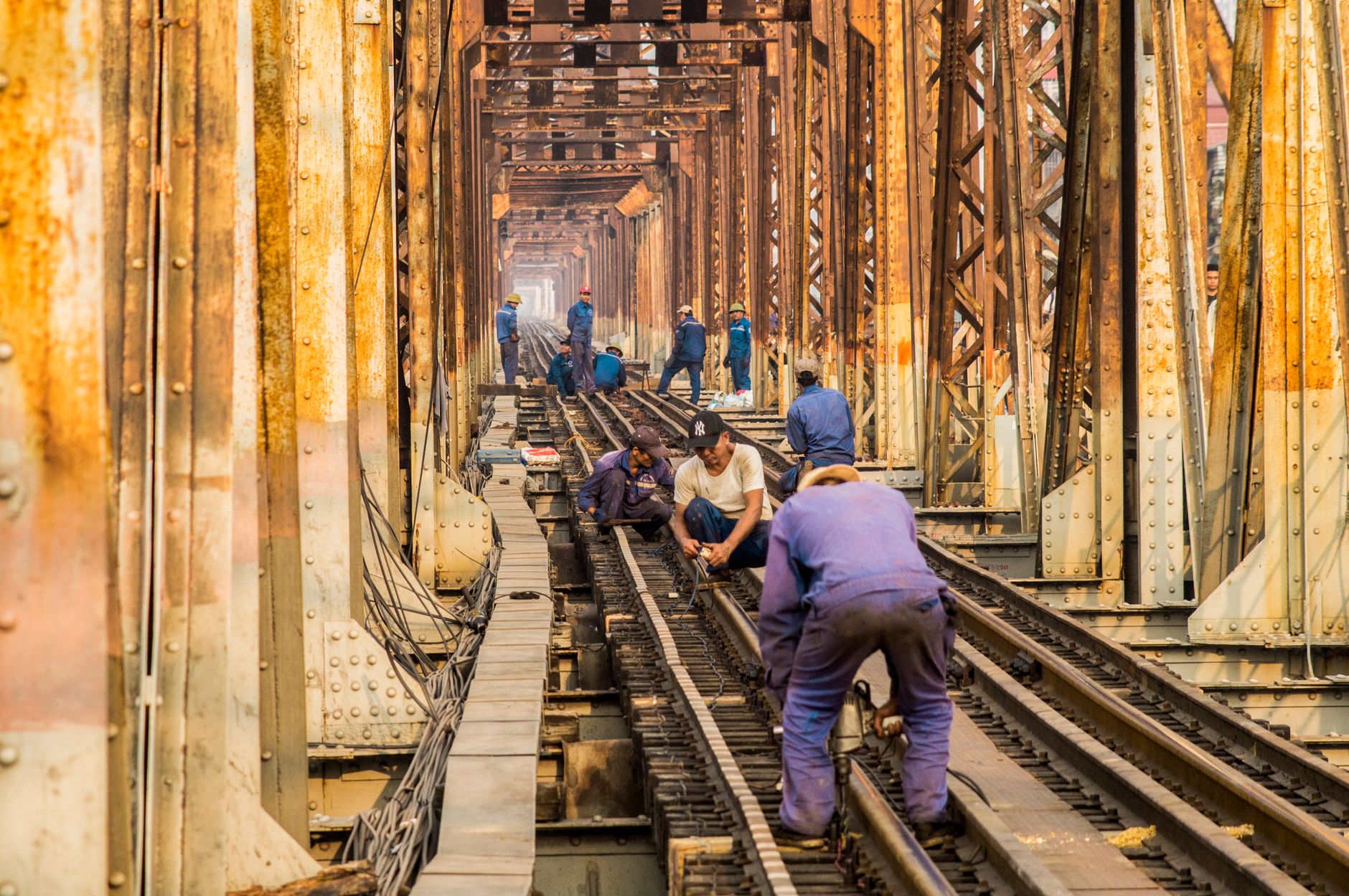
railway infrastructure projects are gaining momentum as the Railways approves two significant initiatives worth Rs 275 crore. These projects aim to strengthen the overall infrastructure and operational capacity.
Overview of the Approved Railway Projects
The Indian Railways has recently approved two significant projects aimed at enhancing the railway infrastructure projects across the country. With a combined investment of Rs 275 crore, these initiatives are designed to bolster operational capacity and improve service delivery for millions of passengers and freight customers.
The first project focuses on upgrading the existing railway lines, which will help in increasing the speed and efficiency of train services. This upgrade is essential for accommodating the growing demand for rail transport, thereby ensuring a smoother travel experience for passengers.
The second project centers around the development of new facilities that will enhance logistical operations. These facilities are expected to streamline cargo handling and reduce transit times, making rail transport a more attractive option for freight movement.
Both projects are part of a broader strategy to modernize the railway infrastructure and make it more resilient and responsive to future needs. By investing in such railway infrastructure projects, the Indian Railways aims to not only improve operational efficiency but also contribute to economic growth and job creation in the region.
Impact of Railway Infrastructure Projects on Economy
The impact of railway infrastructure projects on the economy can be profound, driving growth and development across various sectors. Investing in these projects not only strengthens the railway network but also enhances operational capacity, leading to increased efficiency in transportation of goods and passengers.
According to experts, the benefits of railway infrastructure projects extend beyond the railways themselves. These projects often lead to:
- Job Creation: Large-scale projects create employment opportunities during construction and operation phases.
- Boosting Local Economies: Improved rail connectivity facilitates trade and commerce, benefiting local businesses.
- Environmental Benefits: Rail transport is generally more energy-efficient and produces lower emissions compared to road transport.
- Enhanced Safety: Upgraded infrastructure reduces the likelihood of accidents and enhances passenger safety.
Furthermore, the ripple effect of railway infrastructure projects can lead to better accessibility to remote areas, promoting regional development. With the recent approval of two projects worth Rs 275 crore, it is evident that the government is prioritizing railway infrastructure projects as a means to stimulate economic growth and improve the overall functionality of the transportation sector.
Future of Railway Infrastructure Projects in India
The future of railway infrastructure projects in India looks promising as the government continues to approve various initiatives aimed at enhancing connectivity and operational efficiency. With a significant investment of Rs 275 crore in two recently approved projects, the emphasis on strengthening railway infrastructure has never been more pronounced.
These investments are expected to facilitate a range of improvements, including:
- Enhanced Capacity: Upgrades to existing tracks and stations will allow for increased train frequency and reduced congestion.
- Modern Technology: Implementation of advanced signaling systems will improve safety and efficiency in operations.
- Environmental Sustainability: Focus on electrification and the use of renewable energy sources will help reduce the carbon footprint of railway operations.
- Regional Development: Improved connectivity will promote economic growth in underserved areas, creating job opportunities and stimulating local economies.
Moreover, the ongoing emphasis on railway infrastructure projects is aligned with India’s vision to transform its transportation sector. By investing in modern and efficient railway systems, the country aims to bolster its economic framework, making it more competitive on a global scale.
As these plans unfold, stakeholders anticipate a significant positive impact on both the economy and society at large.
Funding and Budget Allocation for Railway Initiatives
The funding and budget allocation for railway infrastructure projects play a crucial role in enhancing operational capacity and improving service delivery. The recent approval of two significant projects worth Rs 275 crore reflects the government’s commitment to strengthening railway infrastructure across the country.
These initiatives are designed to address both current needs and future demands on the railway system. The budget allocation will focus on key areas, including:
- Upgrading existing rail lines: Enhancements are necessary to accommodate increased traffic and improve safety standards.
- Modernizing stations: Investments in facilities will enhance the passenger experience and ensure efficient operations.
- Improving signal systems: Advanced technology will reduce delays and improve overall service reliability.
- Expanding freight capacity: New projects aim to boost cargo transport, which is essential for economic growth and trade.
With a strategic focus on these areas, the allocated funds will not only improve the current state of railway infrastructure but also lay the groundwork for future projects. As investments in railway infrastructure projects continue, they are expected to yield substantial returns in terms of economic growth and efficiency in transport services.
Photo by Vietnam Hidden Light on Pexels