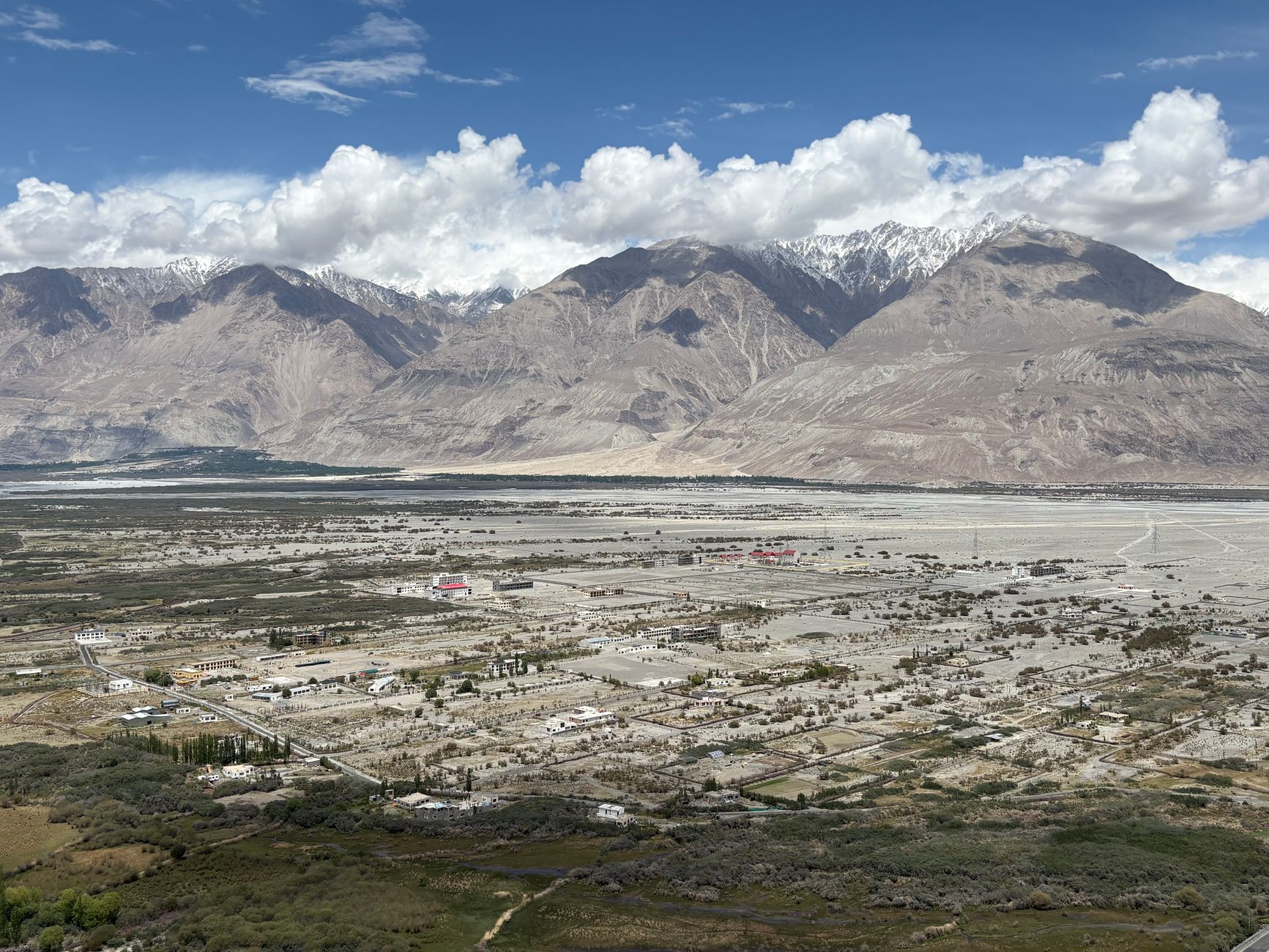
Infrastructure projects in Ladakh are set to transform the region, boosting strategic connectivity and fostering development. The Indian government’s investment of Rs 3,350 crore marks a significant step forward.
Overview of the Infrastructure Projects
In recent developments, the Indian government has inaugurated a significant investment of Rs 3,350 crore aimed at enhancing the infrastructure projects in Ladakh. These initiatives are designed to improve strategic connectivity in the region, which is crucial for both economic growth and national security.
The infrastructure projects focus on several key areas:
- Road Construction: Upgrading existing roads and constructing new ones to facilitate better access to remote areas.
- Bridge Development: Building bridges to connect isolated regions, ensuring smoother transportation and communication.
- Energy Supply: Implementing renewable energy projects to provide sustainable power solutions for local communities.
- Telecommunication: Enhancing telecommunication networks to improve connectivity and access to information.
These projects not only aim to bolster the local economy but also enhance the overall quality of life for residents in Ladakh. The focus on strategic connectivity ensures that the region is better equipped to handle various challenges, including those related to defense and tourism.
As the government pushes forward with these infrastructure projects in Ladakh, the potential for growth and development in this unique and beautiful region continues to expand.
Investment Details and Breakdown
The recent inauguration of infrastructure projects in Ladakh represents a significant investment aimed at enhancing the region’s strategic connectivity and overall development. The total investment of Rs 3,350 crore will be allocated across various initiatives that promise to transform the local landscape and bolster economic growth.
The breakdown of the funding is as follows:
- Road Development: A substantial portion of the budget will be dedicated to improving road networks, which are crucial for facilitating trade and travel.
- Energy Projects: Investments will also target renewable energy sources, including solar and wind, to ensure sustainable power supply to remote areas.
- Telecommunication Infrastructure: Enhancements in telecommunication will bridge the digital divide, allowing residents better access to information and services.
- Water Supply and Sanitation: Projects aimed at improving water supply systems and sanitation facilities will significantly boost living standards in the region.
These infrastructure projects in Ladakh are not just about physical improvements; they are vital for fostering a sense of security and economic stability in a strategically important area. The expected outcomes include increased tourist influx, enhanced local business opportunities, and overall upliftment of the community, aligning with the broader vision for development in the region.
Strategic Importance of Ladakh
The strategic importance of Ladakh has significantly increased in recent years, making it a focal point for various infrastructure projects. As the gateway to the northern borders of India, Ladakh serves as a crucial link for both military and civilian purposes. The recent inauguration of infrastructure projects in Ladakh, valued at Rs 3,350 crore, underscores the government’s commitment to enhancing connectivity in this remote region.
These projects aim to bolster not only the economic landscape but also the national security framework. With its unique geographical position, Ladakh offers a vantage point for monitoring borders and facilitating rapid troop movement. The new infrastructure will support essential supply lines and improve accessibility to isolated areas, thereby promoting development.
Furthermore, the development of roads, bridges, and other vital facilities is expected to attract tourism and investment, contributing to the overall growth of the region. Local communities will benefit from enhanced transportation options, leading to better access to markets, healthcare, and education.
In summary, the focus on infrastructure projects in Ladakh reflects a strategic vision for the region, aiming to integrate it more closely with the national framework while ensuring its unique cultural heritage is preserved. This approach is essential for fostering long-term stability and prosperity in Ladakh.
Expected Outcomes for the Region
The recent inauguration of significant infrastructure projects in Ladakh is anticipated to bring a multitude of positive outcomes for the region. These developments are expected to enhance connectivity, promote economic growth, and improve the overall quality of life for residents.
One of the primary expected outcomes is:
- Improved Connectivity: The infrastructure projects in Ladakh will facilitate better transportation links between remote areas and major urban centers, making it easier for goods and services to flow.
- Economic Growth: With enhanced infrastructure, local businesses are likely to flourish, attracting investment and encouraging tourism, which is vital for the region’s economy.
- Job Creation: The construction and ongoing maintenance of these projects are expected to create numerous job opportunities for the local population, helping to reduce unemployment rates.
- Enhanced Security: Improved infrastructure will bolster the strategic importance of Ladakh, ensuring better defense and security measures in a region that holds significant geopolitical relevance.
- Access to Services: Residents will benefit from improved access to essential services such as healthcare and education, which have been historically limited in remote areas.
In summary, the infrastructure projects in Ladakh are poised to transform the region, paving the way for a brighter, more prosperous future.
Community Impact and Benefits
The recent inauguration of infrastructure projects in Ladakh marks a significant turning point for local communities, promising a multitude of benefits that extend beyond mere connectivity. These initiatives are set to enhance not only the physical landscape but also the socio-economic fabric of the region.
One of the primary advantages of these projects is the improvement in accessibility. With better roads and transportation networks, residents will experience reduced travel times, making it easier to access essential services such as healthcare, education, and employment opportunities. This increased connectivity is expected to foster greater economic activity and attract tourism, further enriching the local economy.
Moreover, the infrastructure projects in Ladakh are designed with sustainability in mind. By incorporating green technologies and practices, these developments aim to minimize environmental impact while promoting long-term resilience. This approach will help preserve the unique landscape and culture of Ladakh, ensuring that community interests are prioritized.
Additionally, local employment opportunities are likely to surge as construction projects create jobs and stimulate skill development. The emphasis on involving local labor not only strengthens community bonds but also empowers residents to take part in their region’s growth.
In summary, the community impact of these infrastructure projects in Ladakh is poised to be profound, paving the way for a brighter, more connected future for its residents.
Future Infrastructure Plans in India
As India looks to enhance its strategic foothold in the region, future infrastructure plans in Ladakh are poised to play a pivotal role. The government is committed to undertaking several initiatives aimed at further improving connectivity and accessibility in this remote area. These infrastructure projects in Ladakh are not only essential for economic growth but also crucial for national security and local development.
Among the key future plans are:
- Expansion of Road Networks: Upgrading existing roads and constructing new ones to ensure better connectivity between Ladakh and other regions.
- Development of Air Connectivity: Enhancing airport facilities to facilitate more frequent flights, promoting tourism and trade.
- Telecommunications Improvements: Investing in better communication infrastructure to ensure reliable connectivity for both residents and businesses.
- Water Supply and Management: Implementing projects to secure sustainable water sources and improve irrigation for local agriculture.
These initiatives reflect a broader vision for sustainable development, which incorporates local needs and environmental considerations. By addressing these areas, the government aims to foster a resilient economy that not only benefits the people of Ladakh but also strengthens the nation as a whole. The focus on infrastructure projects in Ladakh is a testament to the commitment towards long-term growth and strategic development in this unique region.
Photo by Raman Shukla on Pexels